Radar network - SORASYS-2A
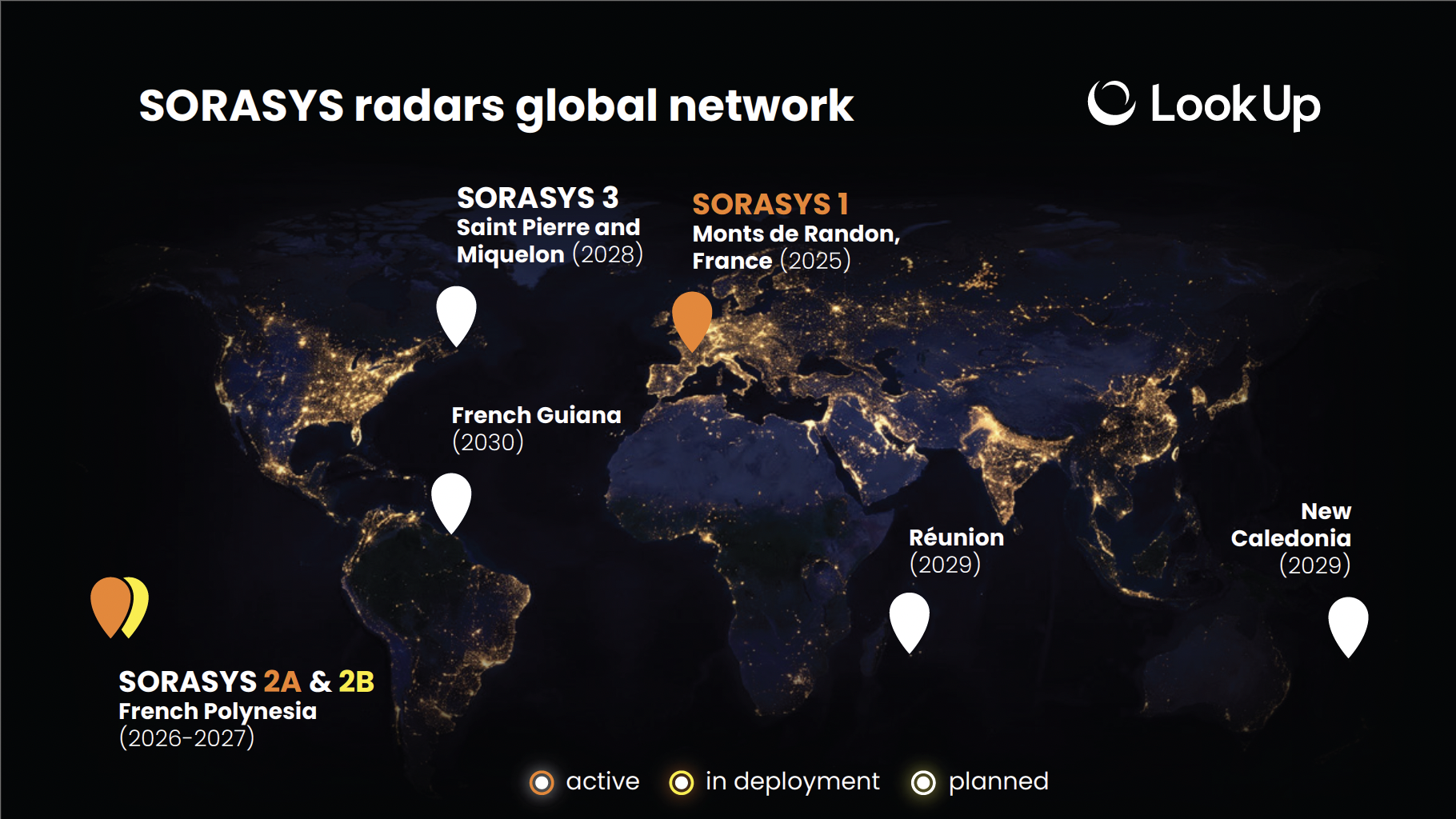
Our new radar, Rehua, now tracks satellites and debris in low Earth orbit from French Polynesia, joining SORASYS-1 in southern France.


What Tahiti add to the network
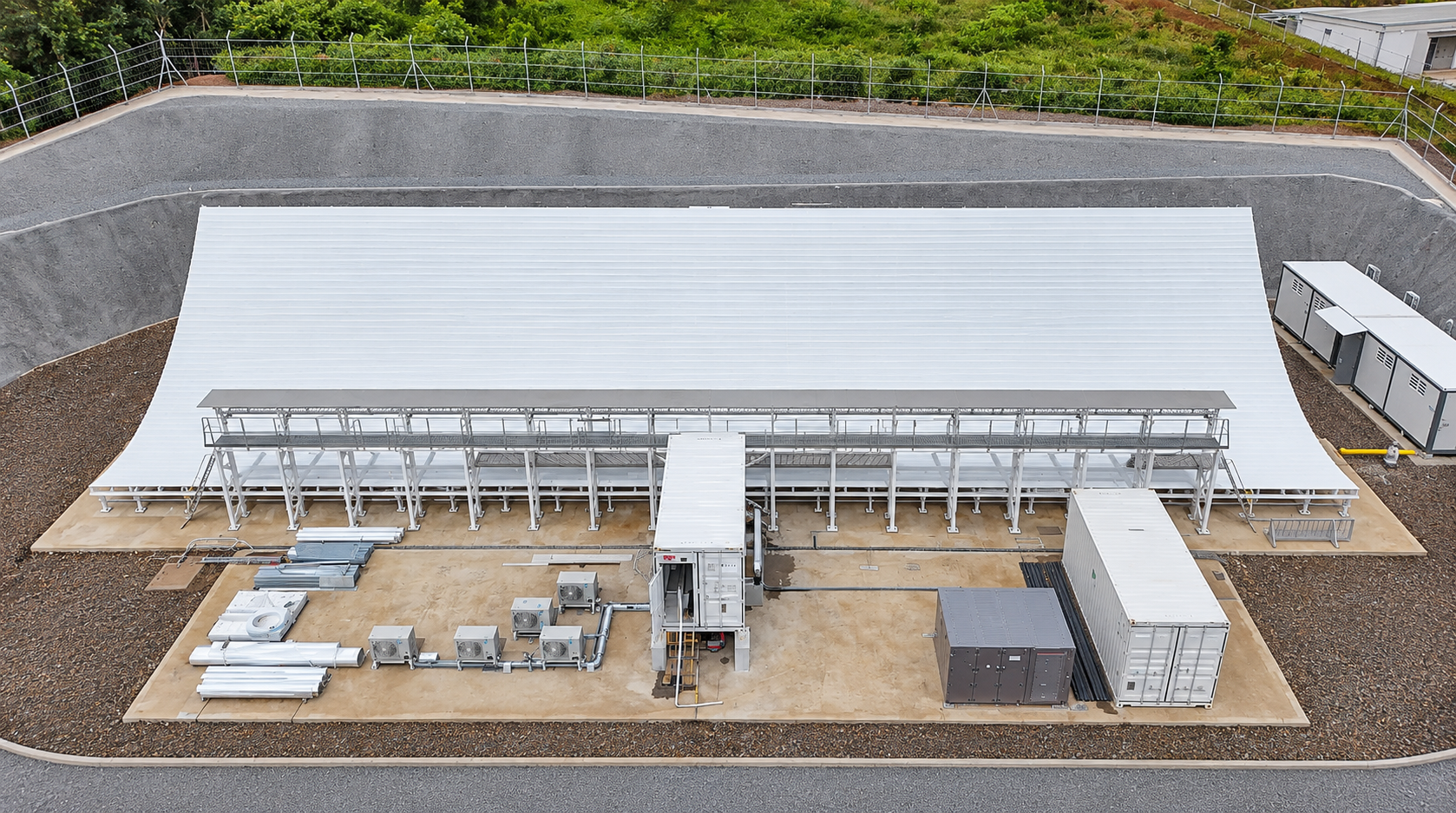
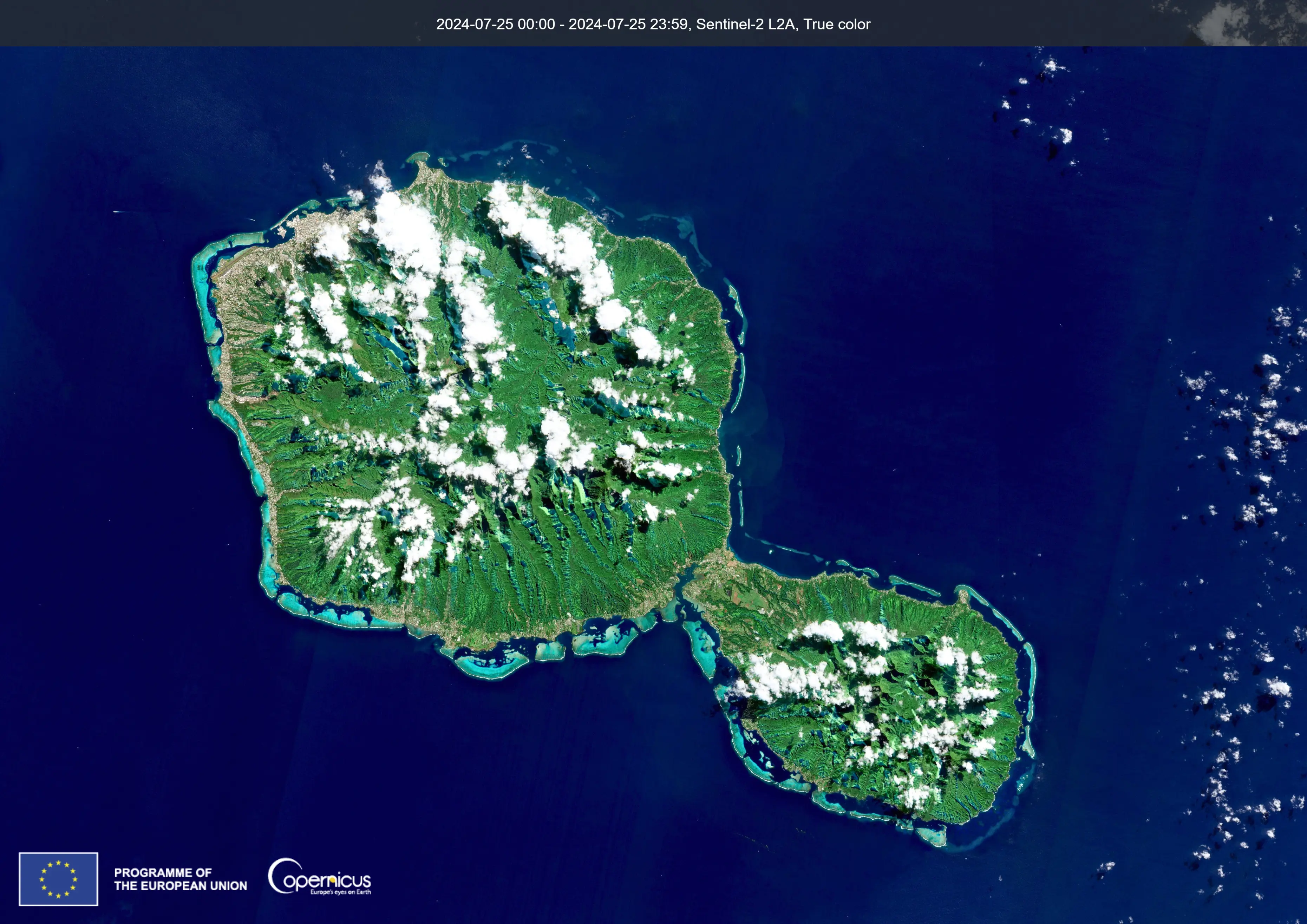
SORASYS-2A (and its twin SORASYS-2B) stands on the Tahiti Nui Telecom site in French Polynesia, the only European radar in the southern hemisphere.
Sooner after a maneuver.
When a satellite changes orbit, the next observation is what tells you where it went. A second site, far from the first, can provide it sooner.
Sharper close-approach predictions.
An extra measurement from the South Pacific helps refine the predicted path of two objects heading for a close approach.
Like SORASYS-1, it operates around the clock, in all weather, day and night.

Ready now, stronger with its twin
Innovation
Curious and creative minds, capable of imagining bold solutions to complex problems.
Innovation
Curious and creative minds, capable of imagining bold solutions to complex problems.
Innovation
Curious and creative minds, capable of imagining bold solutions to complex problems.
Innovation
Curious and creative minds, capable of imagining bold solutions to complex problems.
SORASYS-2A works exactly like SORASYS-1. From its commissioning in early December, it surveys low Earth orbit and tracks satellites and debris, and its measurements are available to you through SORASYS Data and SYNAPSE.
Its twin, SORASYS-2B "Matarii", is expected to enter service in Tahiti in summer 2027. From 2028, the two radars will work in tandem for initial orbit determination: working out the orbit of a newly detected object from its very first observations.
First results

6,400
distinct objects detected in four weeks

11,000+
measurements ready for commercial delivery

400
object passes observed every 4 hours, three observations each


“ Our goal is to give operators a clearer picture of what is happening in orbit by adding independent radar observations to the data they already rely on. Tahiti extends the reach of our network. By combining observations from more locations with data from other sources, we can help operators identify changes in orbit earlier, anticipate potential risks and make better-informed decisions. ”
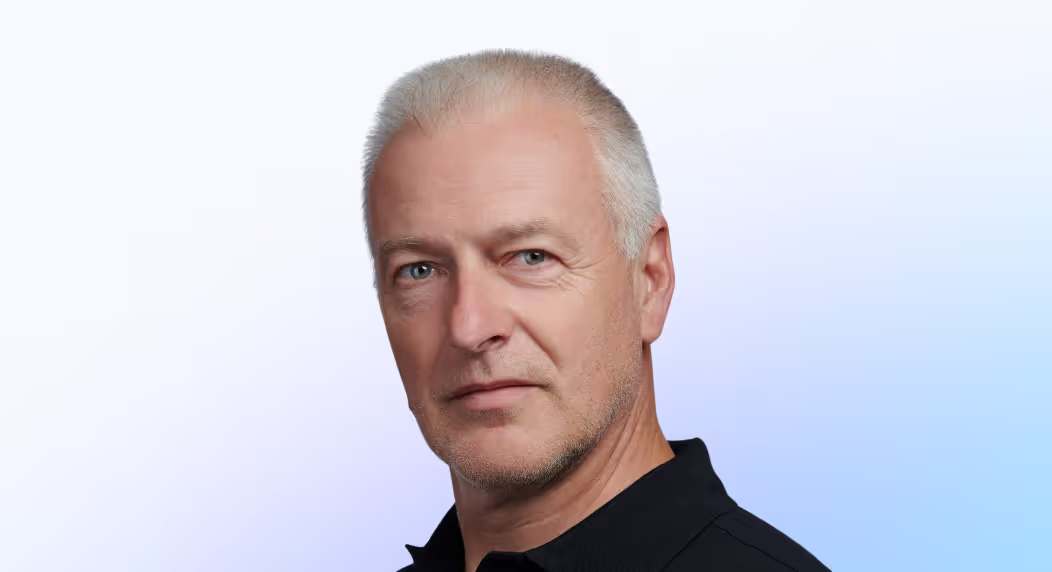
Michel FRIEDLING
Co-Founder & CEO of Look Up



First results
SORASYS-1
operational in Lozère, France
SORASYS-2
2A "Rehua" in service in Tahiti; 2B "Matarii" expected in summer 2027
GOAL
seven additional radars by 2030
Access the data today
Measurements from both radars are available through SORASYS Data, by API, data feed, file download or on premise for classified environments. They also feed SYNAPSE in real time, where they are fused with third-party data.
CNES, the French space agency, has used the service since May 2026, under a contract running through 2028.
They trust us















Most frequently asked questions


The second site of Look Up's SORASYS network of ground-based radars, which detect and track objects in low Earth orbit. Named Rehua and located in Tahiti, French Polynesia, it entered service in December 2026.
The distance between Tahiti and southern France lets the network observe the same objects at different points along their orbits. An additional observation can help update an orbit estimate sooner after a maneuver, or refine the prediction of a close approach.
Through SORASYS Data, by API, feed, file or on premise, including for defense and classified environments, and through SYNAPSE. Start with a radar data sample now.
SORASYS-2B, named Matarii, is expected to enter service in Tahiti in summer 2027. From 2028, SORASYS-2A and 2B will work in tandem for IOD (initial orbit determination). In the meantime, SORASYS-2A works exactly like SORASYS-1 from early December.
Learn more about our solutions