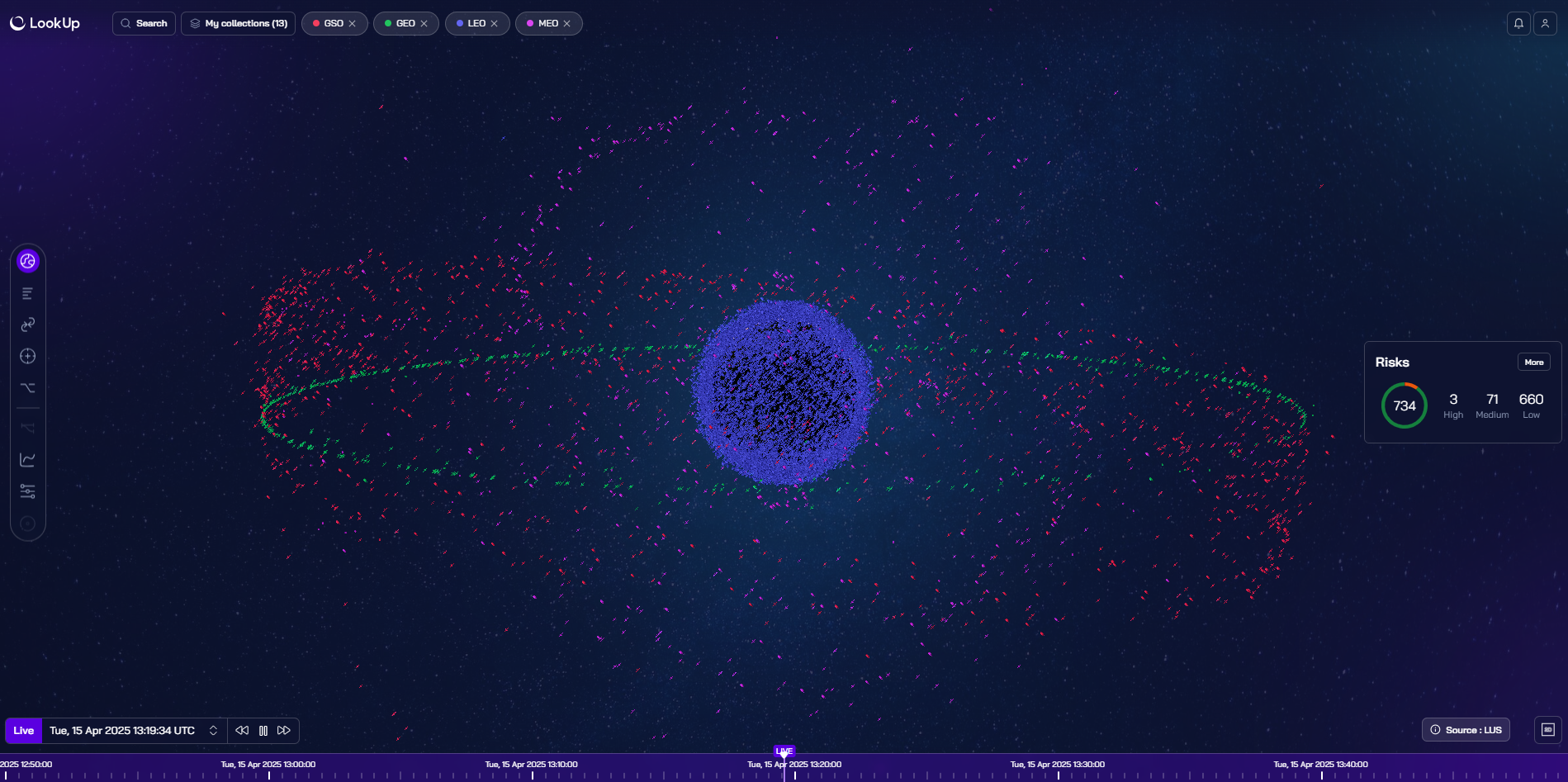




SYNAPSE digital SSA platform - Use Cases
06
January
2026
What if you could detect satellite maneuvers, understand them, and eventually act on them?
With Synapse, Look Up’s advanced digital platform, that’s exactly what you get!
1/ Let’s take a look at a concrete example with CryoSat-2.
Here’s an example of a series of station-keeping maneuvers that allow the satellite to stay on the orbit required to successfully carry out its mission.
The latest maneuvers have been detected by Synapse and can be tracked in detail in the table below.
.avif)
These two graphs show how the semi-major axis and eccentricity of CryoSat-2 evolve over time.
The blue vertical lines indicate the moments when maneuvers were observed, showing a clear change in the satellite’s behavior.
.avif)
.avif)
Interested in knowing more about SYNAPSE?
Request a demo now: https://www.lookupspace.com/demo
2/ Coordinated maneuvers in geostationary orbit between SJ-21 and SJ-25
For several months, two Chinese satellites, SJ-21 and SJ-25, performed coordinated maneuvers in geostationary orbit.
Between orbital rendezvous, sudden inclination changes, and close-proximity operations, these behaviors raised key questions…
Let’s understand what’s unfolding in orbit thanks to our SYNAPSE SSA digital platform!
Is SJ-25 chasing SJ-21?
Since April 2025, both satellites have been carrying out several maneuvers in geostationary orbit.
Their orbital parameters show:
- Changes in the semi-major axis.
- A sharp inclination shift around August 11.
- Coordinated movements just a few hundred meters apart.
.avif)
Analysis of orbital longitude:
- SJ-25 appears to gradually approach SJ-21, maintaining a constant proximity from June 2025 onward.
- Both satellites are operating in a synchronized orbit, strengthening the hypothesis of a deliberate rendezvous.
.avif)
The deliberate conjunction is quickly confirmed using the advanced features available on SYNAPSE.
Between October 8 and 10, 2025, multiple collision risks were detected between SJ-21 and SJ-25.
- Minimum distance: 3,572 m
- Relative velocity: almost zero (0.002 m/s)
These parameters are typical of a controlled rendezvous.
.avif)
The deliberate conjunction is quickly confirmed using the advanced features available on SYNAPSE.
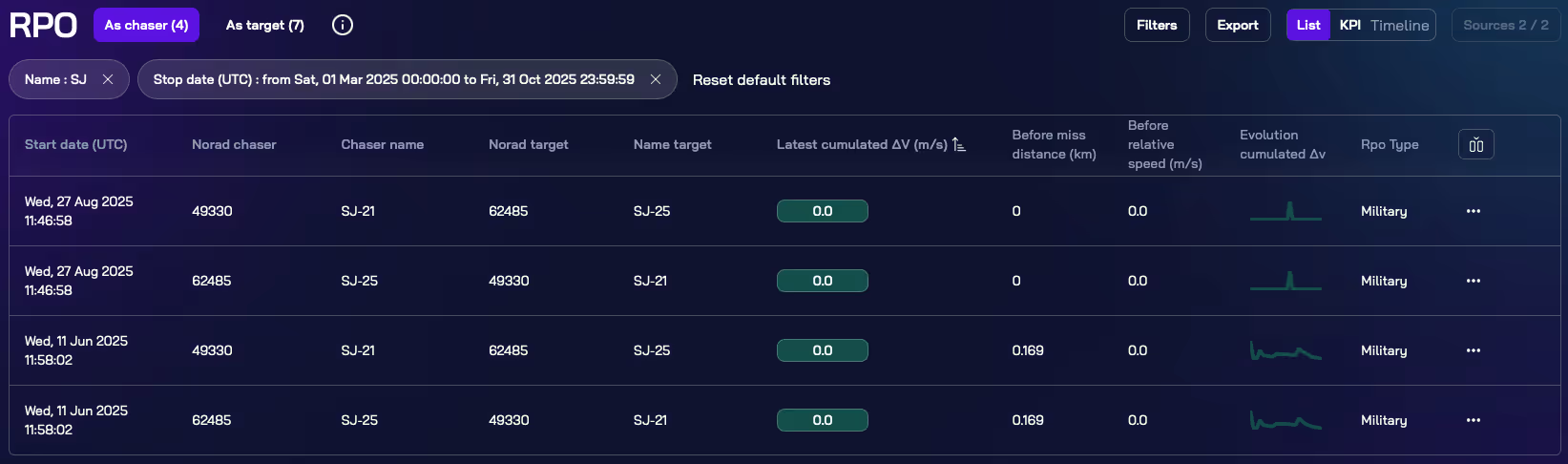
Data from our SYNAPSE platform’s RPO (Rendezvous & Proximity Operations) module clearly reveal reciprocal interactions between SJ-21 and SJ-25 throughout mid-2025.
The parameters below leave no doubt: SJ-21 and SJ-25 are performing synchronized, deliberate proximity operations in geostationary orbit.
Such activity demonstrates high-precision control and coordination, underscoring the growing strategic capabilities at play above us.
Interested in knowing more about SYNAPSE?
Request a demo now: https://www.lookupspace.com/demo
3/ The Chinese Space Station (CSS) and Shenzhou-22
Recently, a close approach between the Chinese Space Station (CSS) and Shenzhou-22 caught our attention.
Originally planned for April 2026, the spacecraft was launched earlier than expected, on November 25, 2025, as an emergency crew rescue mission, following an incident involving Shenzhou-20, which was reportedly rendered unusable, possibly due to debris impacts.
Initially designed to carry a new crew to the station, this mission highlights how crucial real-time monitoring and fast, informed decision-making are for space operations.
With SYNAPSE, our digital data fusion platform for space situational awareness, operators can clearly visualize Rendezvous and Proximity Operations (RPO), track complex maneuvers, and assess potential risks.
See the snapshots from SYNAPSE showing the RPO below:
.avif)
.avif)
.avif)
Interested in knowing more about SYNAPSE?
Request a demo now: https://www.lookupspace.com/demo
What to read next
01
October
2026
Look Up invests over €100 million in investment to build strategic space surveillance infrastructure in France’s overseas territories
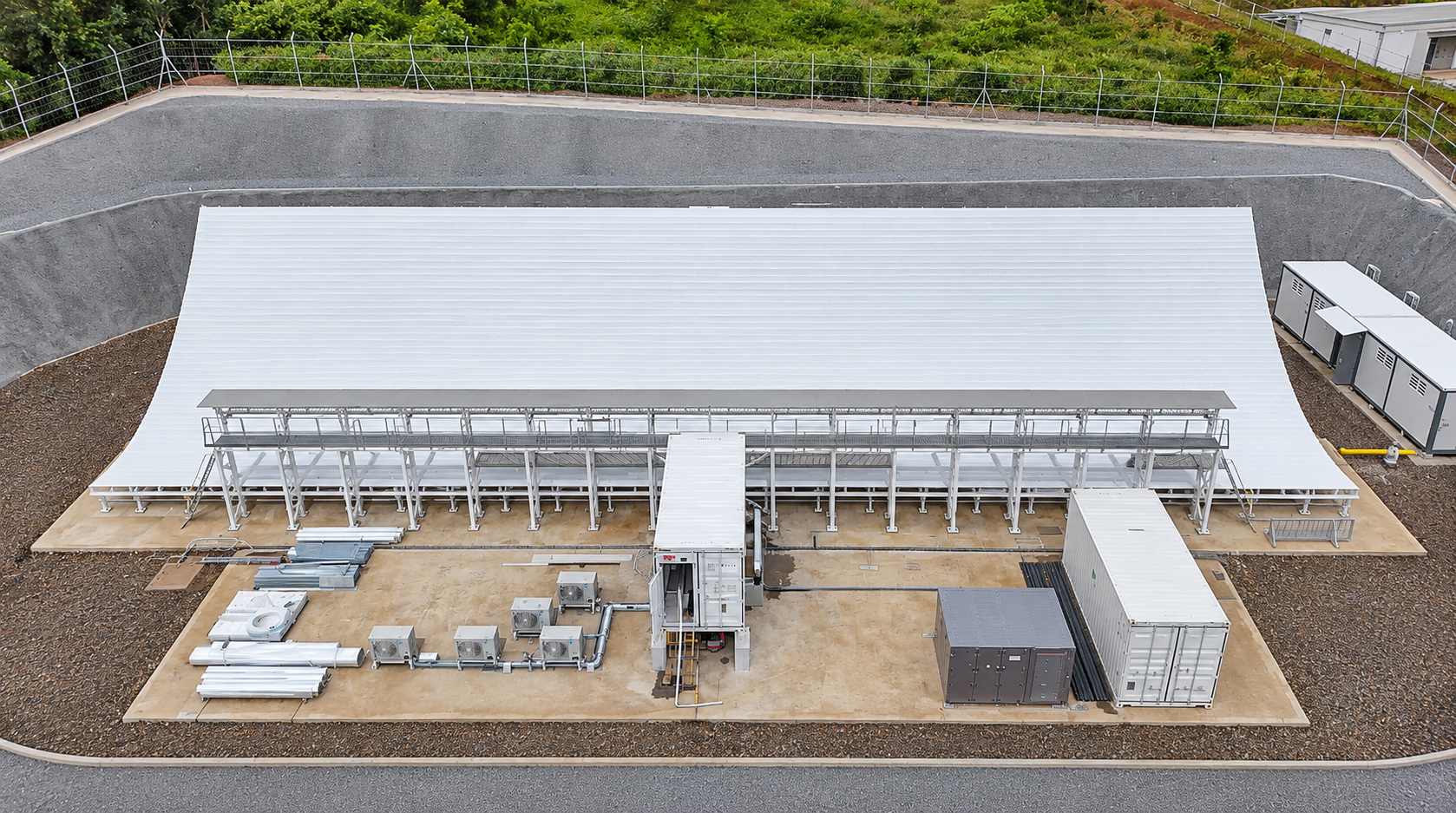
With its first radar already operational in Lozère, the French company plans to deploy six radars across France’s overseas territories, including two in French Polynesia and one in Saint-Pierre-et-Miquelon, to establish a global space surveillance network.
.png)
11
September
2026
Building a sovereign Space Domain Awareness capability: A strategic necessity for Defence organizations
Why Space Domain Awareness (SDA) has become a critical priority for defence organizations, and how SORASYS ground-based radars and the SYNAPSE digital SDA platform can strengthen national sovereign capabilities in sensing, data processing, and analysis...